International Students at our University in 2025/2026
The implementation of the Erasmus+ Programme is one of the key pillars of the internationalisation strategy of the Jan Amos Komeński State University of Applied Sciences in Leszno (ANS Leszno). During the 2025/2026 academic year, the University once again welcomed students from its international partner institutions who completed one-semester study mobilities under Erasmus+ bilateral agreements.
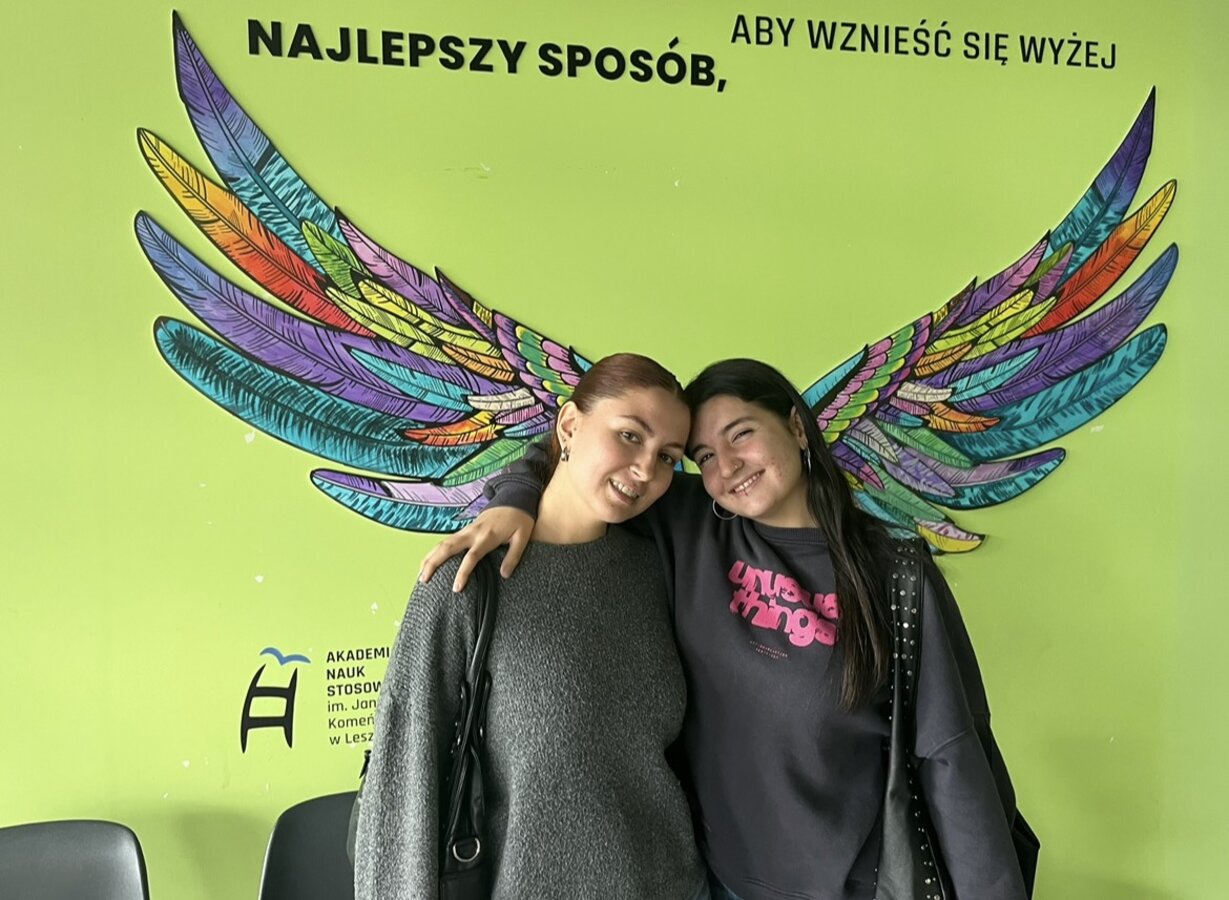
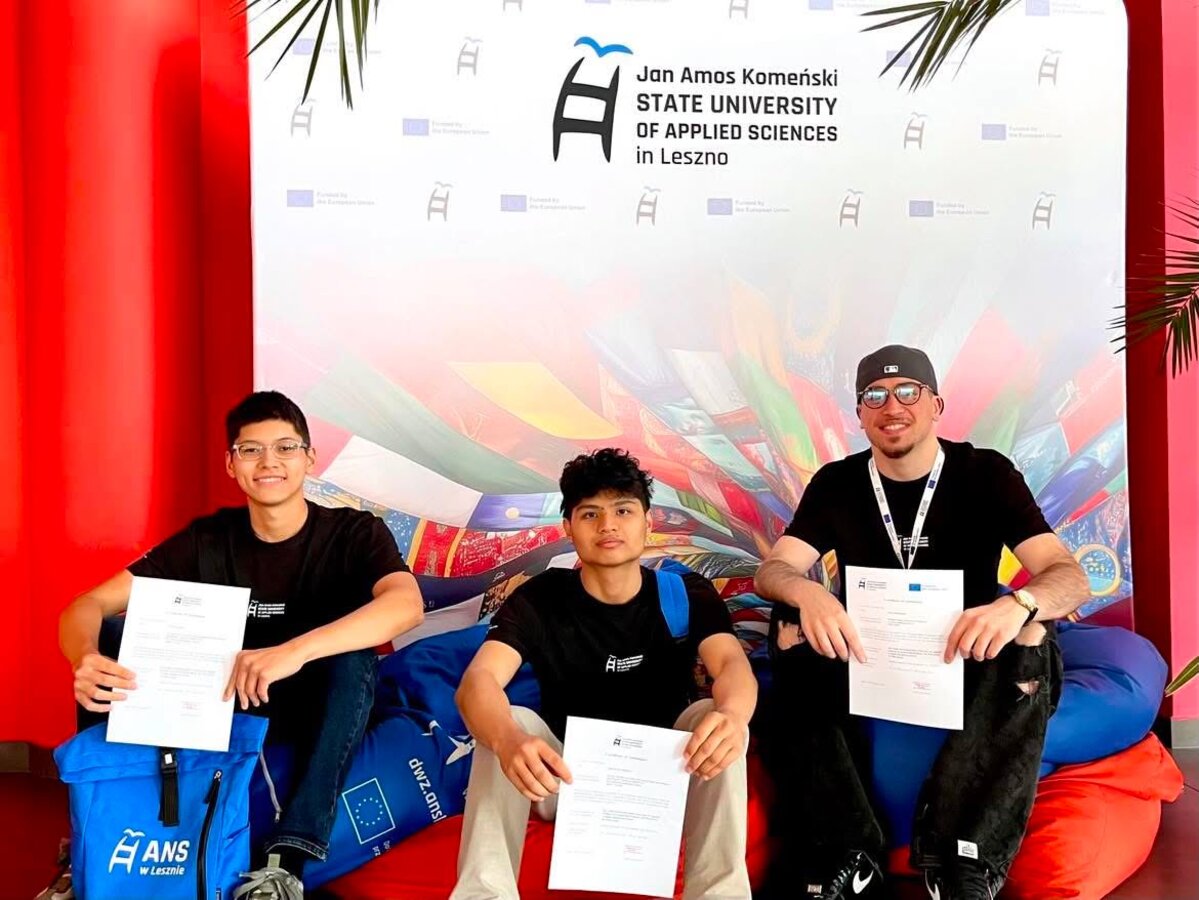
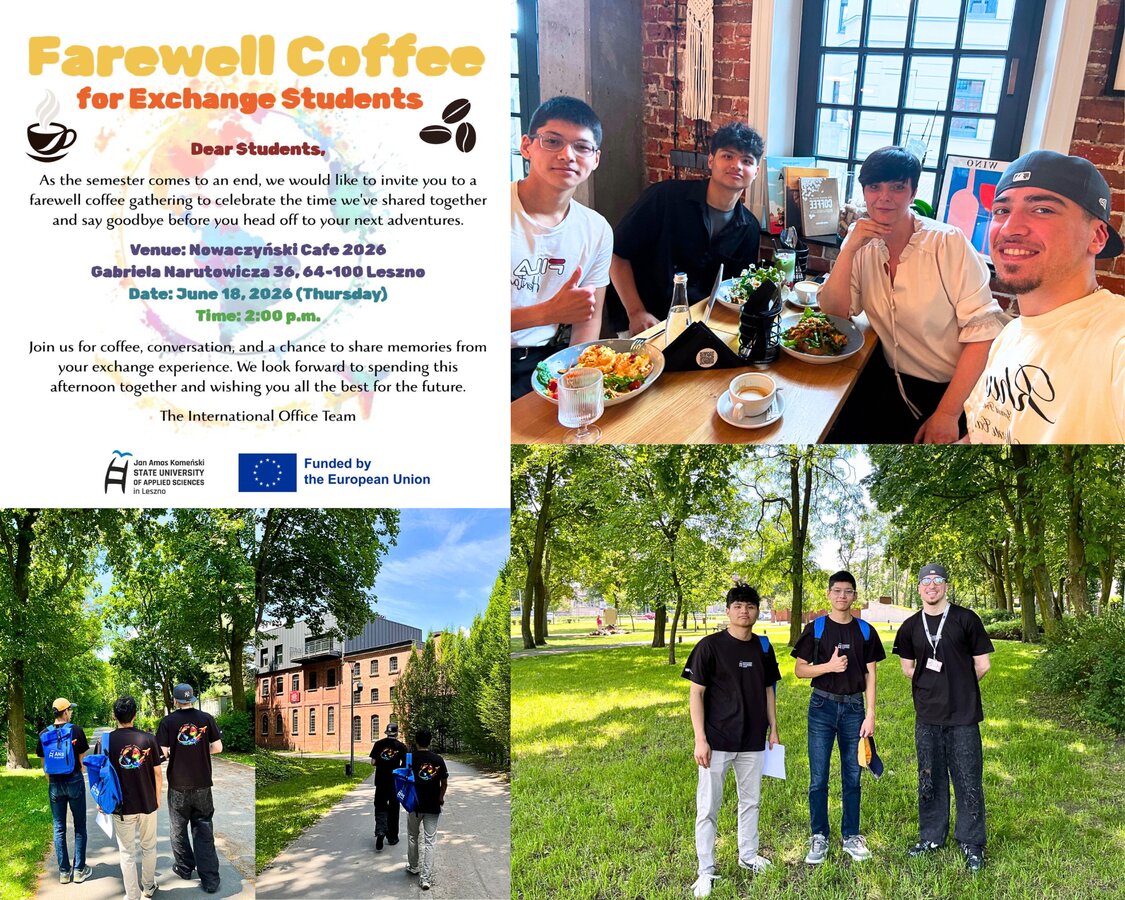
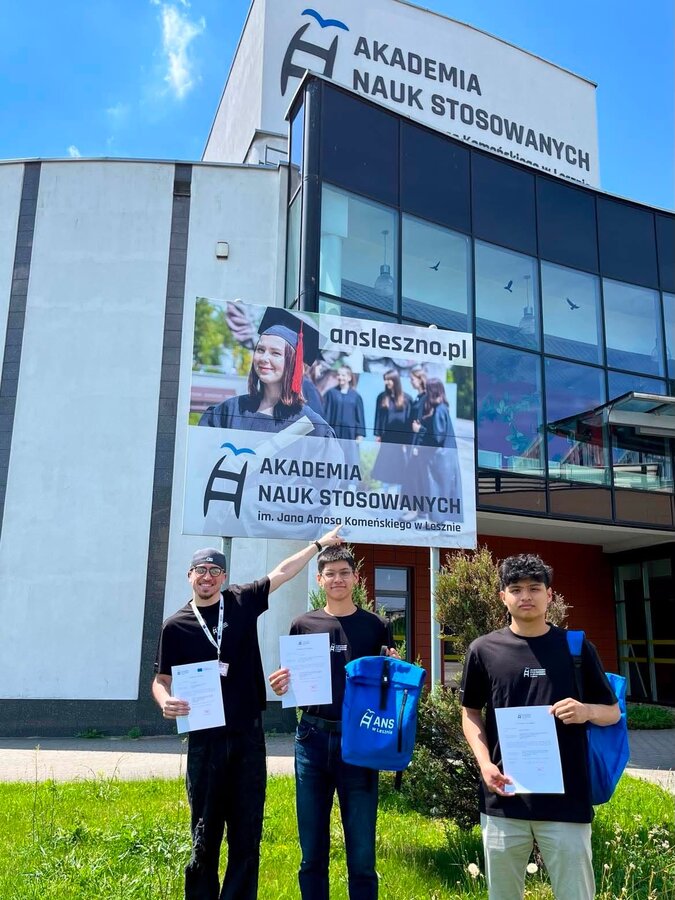
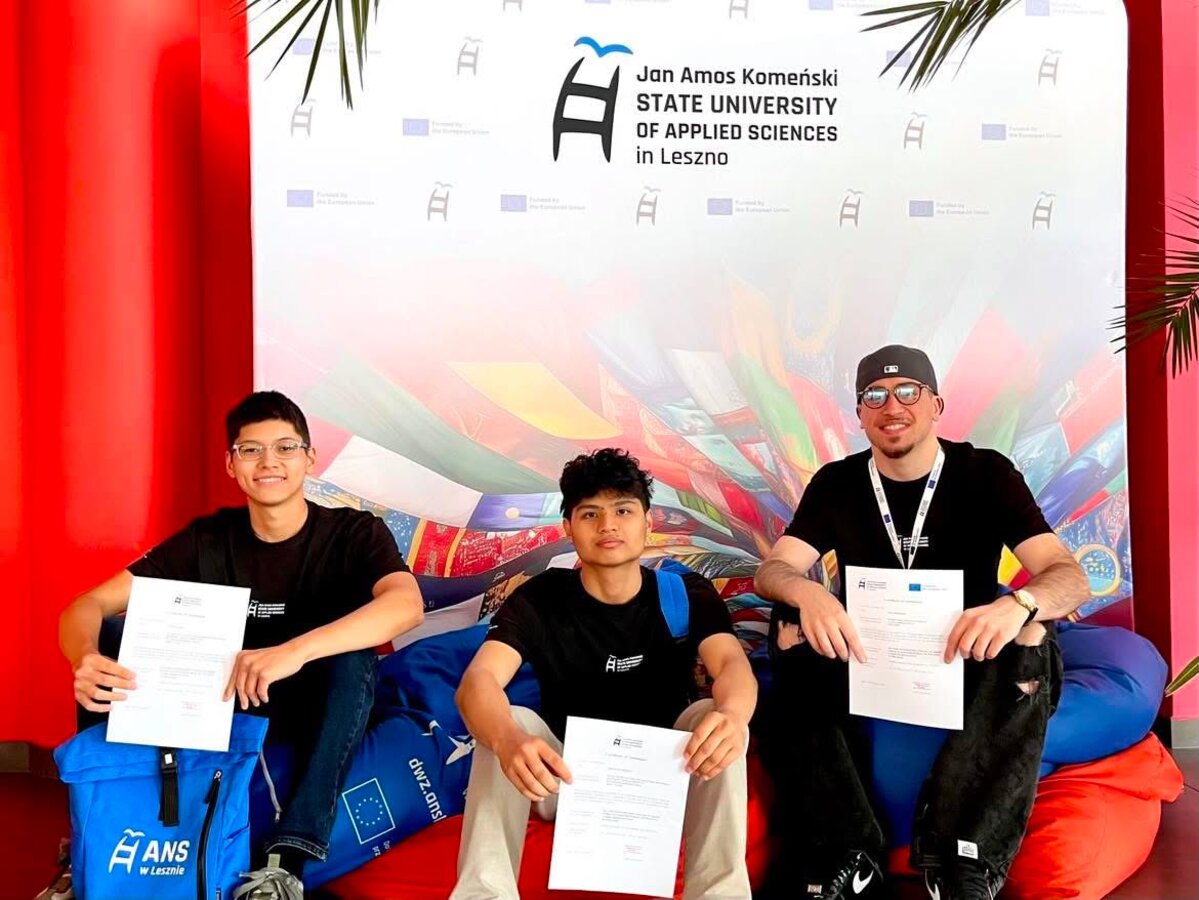
In the winter semester, three female students completed their studies at ANS Leszno: Ainaz from the partner institution Atyrau Oil and Gas University, as well as Paula and Nerea from Complutense University of Madrid. In the summer semester, the university hosted Dastan and Yergali from Atyrau Oil and Gas University and Saba from Sokhumi State University in Tbilisi.
All mobility participants followed individually prepared study programmes developed in accordance with previously agreed Learning Agreements. These programmes were prepared in cooperation with the Institute of Pedagogy, the Institute of Technology, the Institute of Economics, and the Institute of Health and Physical Education, taking into account the specific nature of the students’ fields of study and their individual needs.
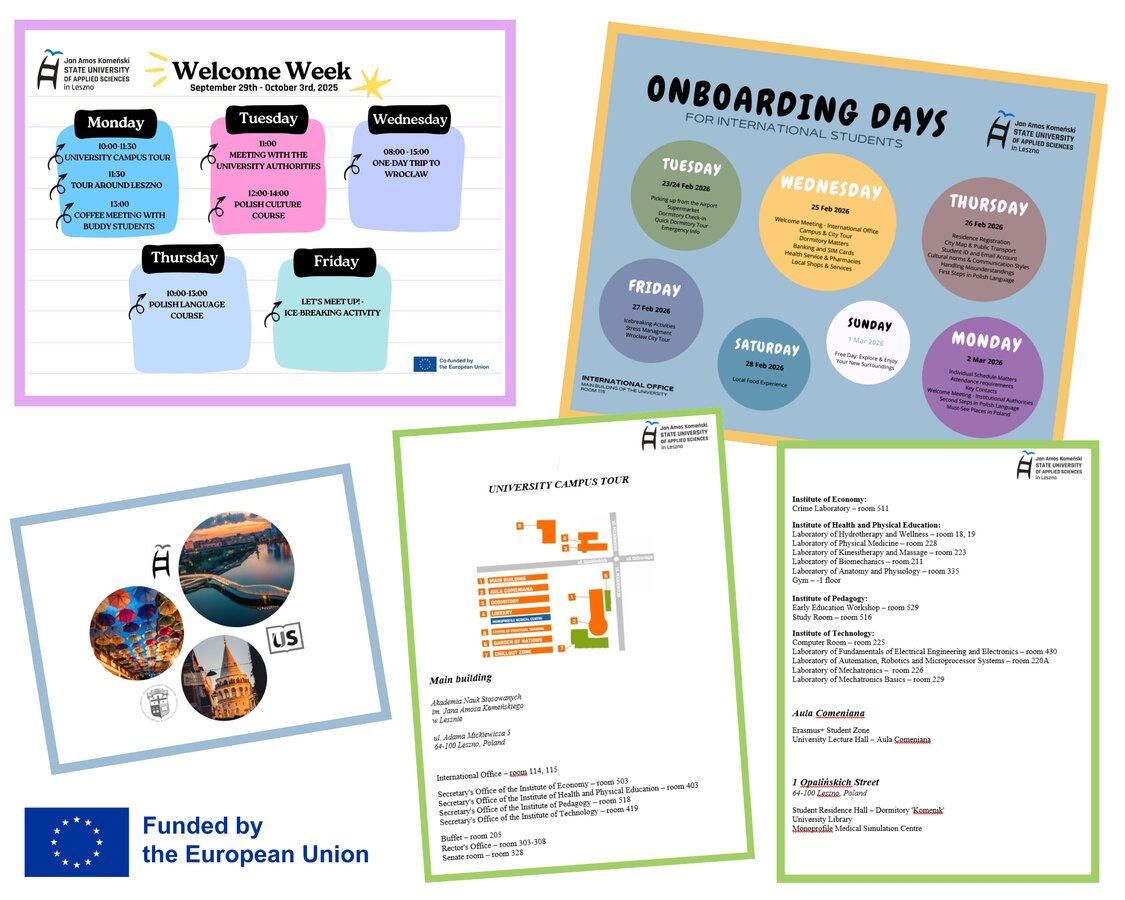
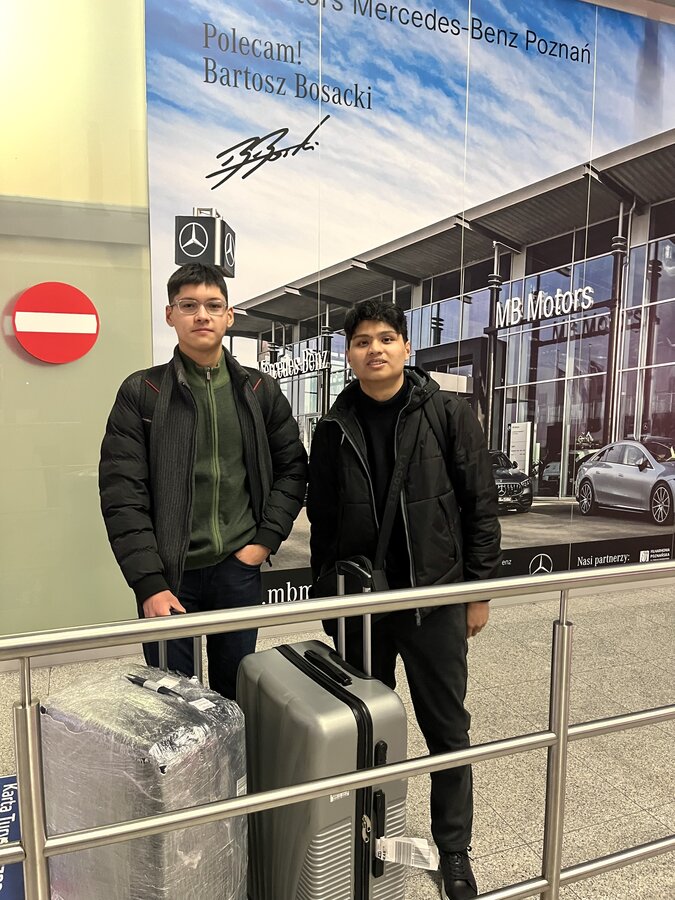
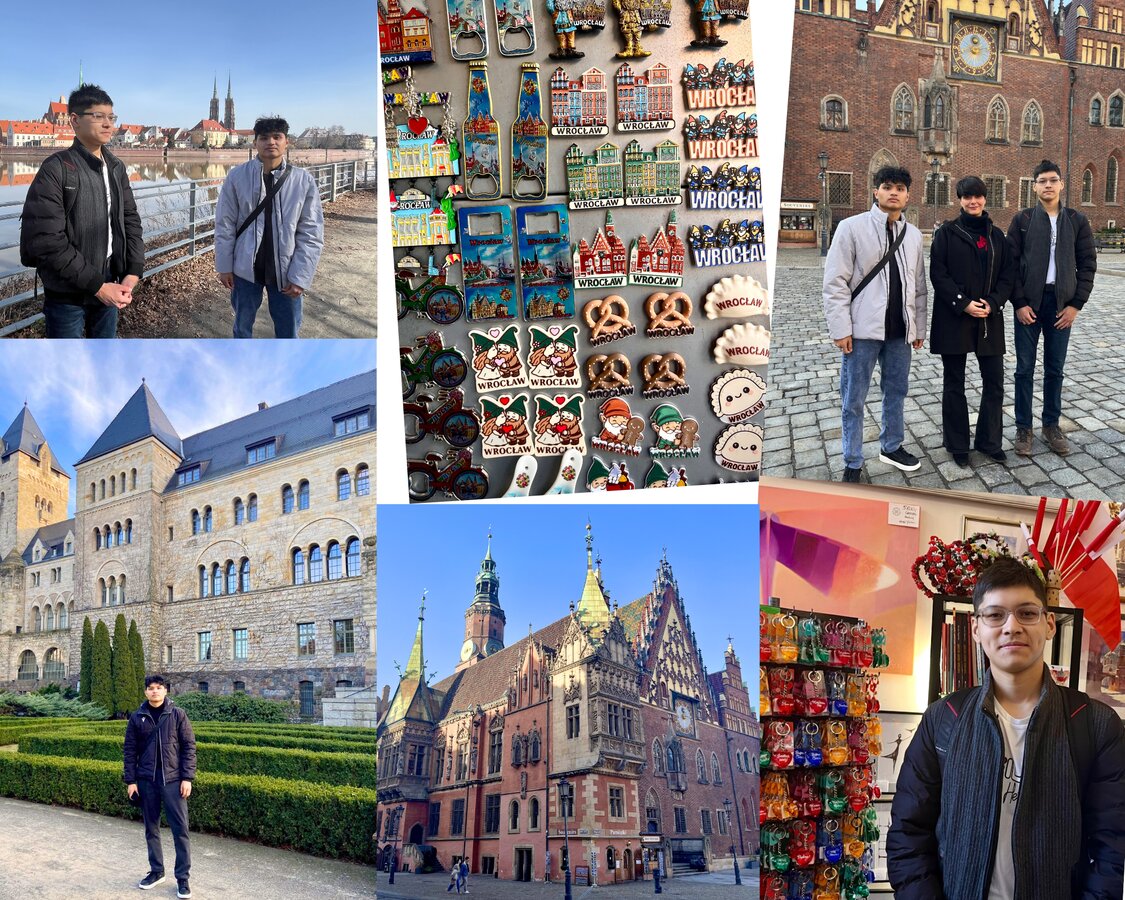
An important part of the students' arrival was the Welcome Week – Onboarding Days programme, designed to provide administrative and organisational support while helping participants adapt to their new academic environment. During the programme, students received assistance with residence registration and legalisation procedures at the City Office, were accommodated in the Student Dormitory, registered in the USOS student information system, and granted access to the University's IT services and online learning platforms. Together with Erasmus+ coordinators, they prepared their individual timetables, met their student Buddies, and took part in an integration trip to Wrocław.
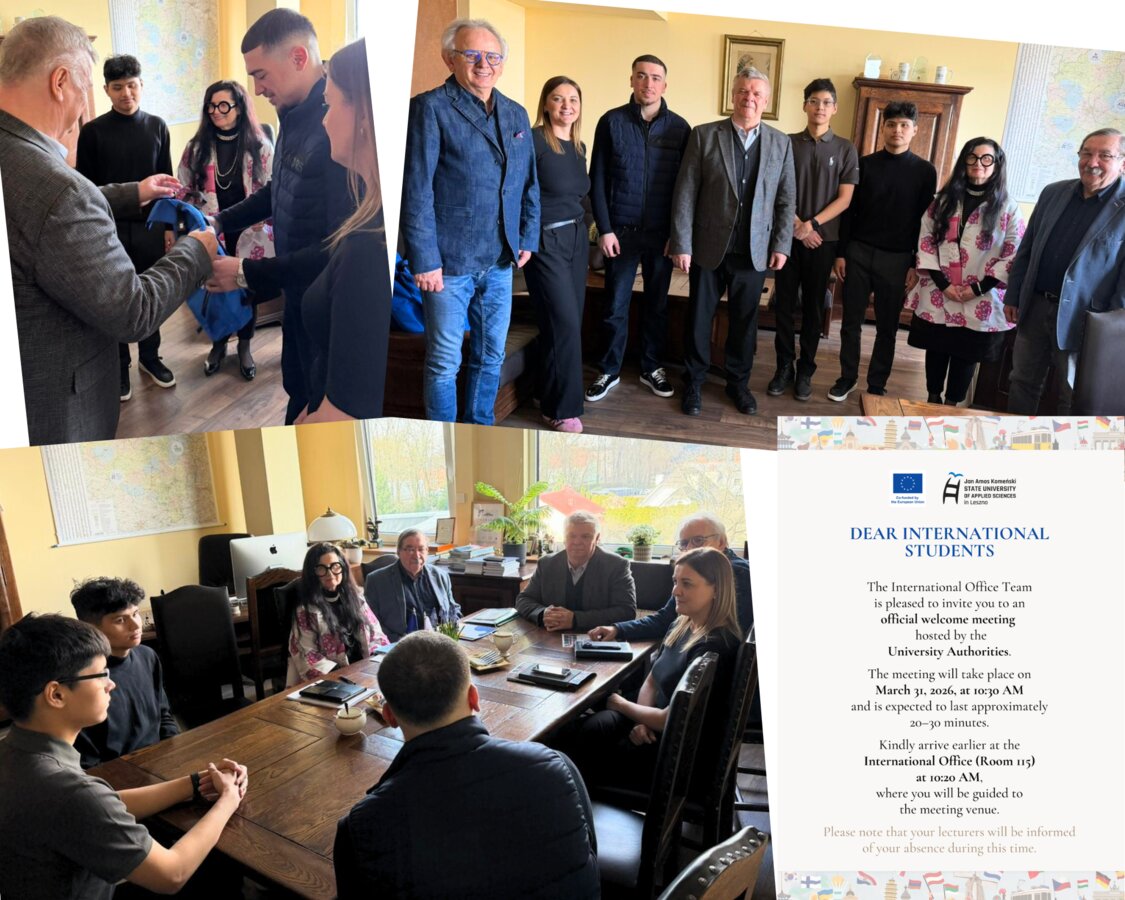
Following the initial adaptation period, the students were officially welcomed by the University's authorities during a meeting in the Rector's Office. The meeting provided an opportunity to become acquainted with representatives of ANS Leszno and to receive welcome gifts and University souvenirs intended to make their first days in the new academic environment more comfortable.
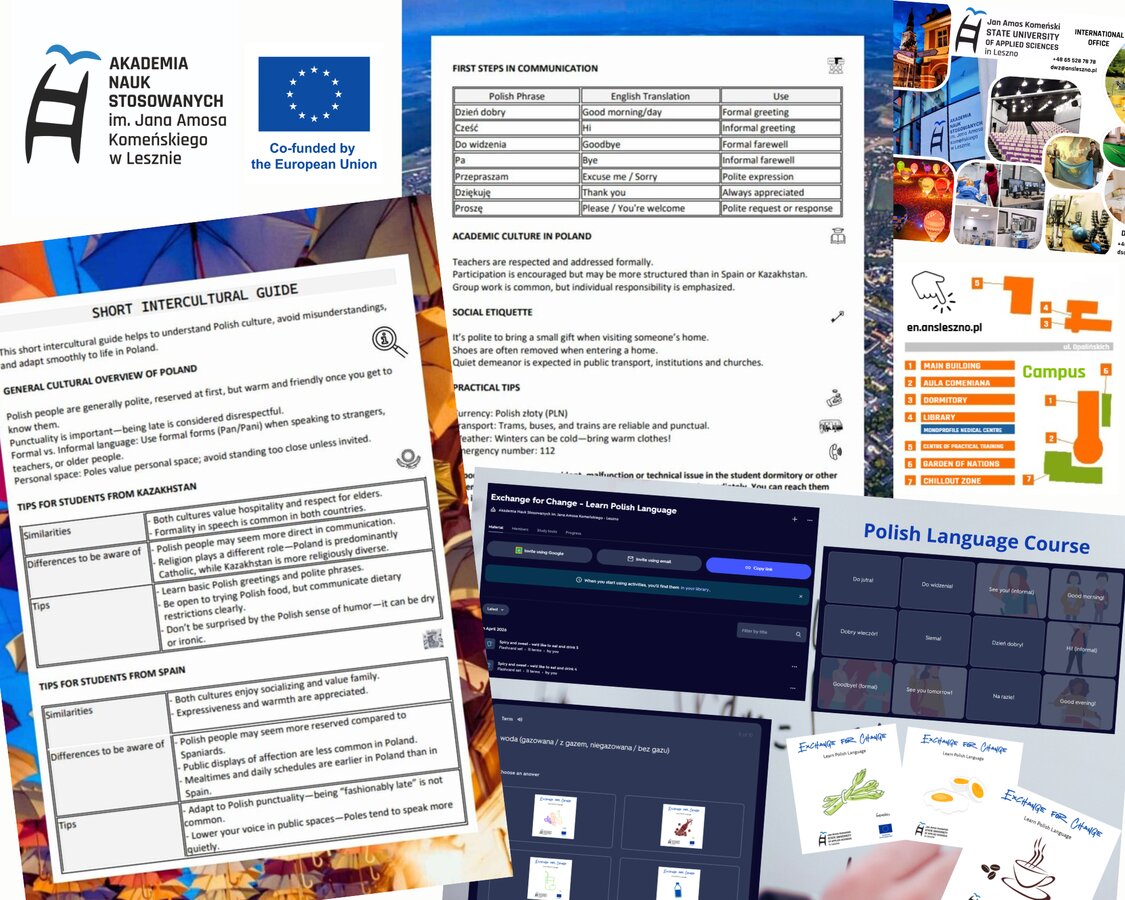
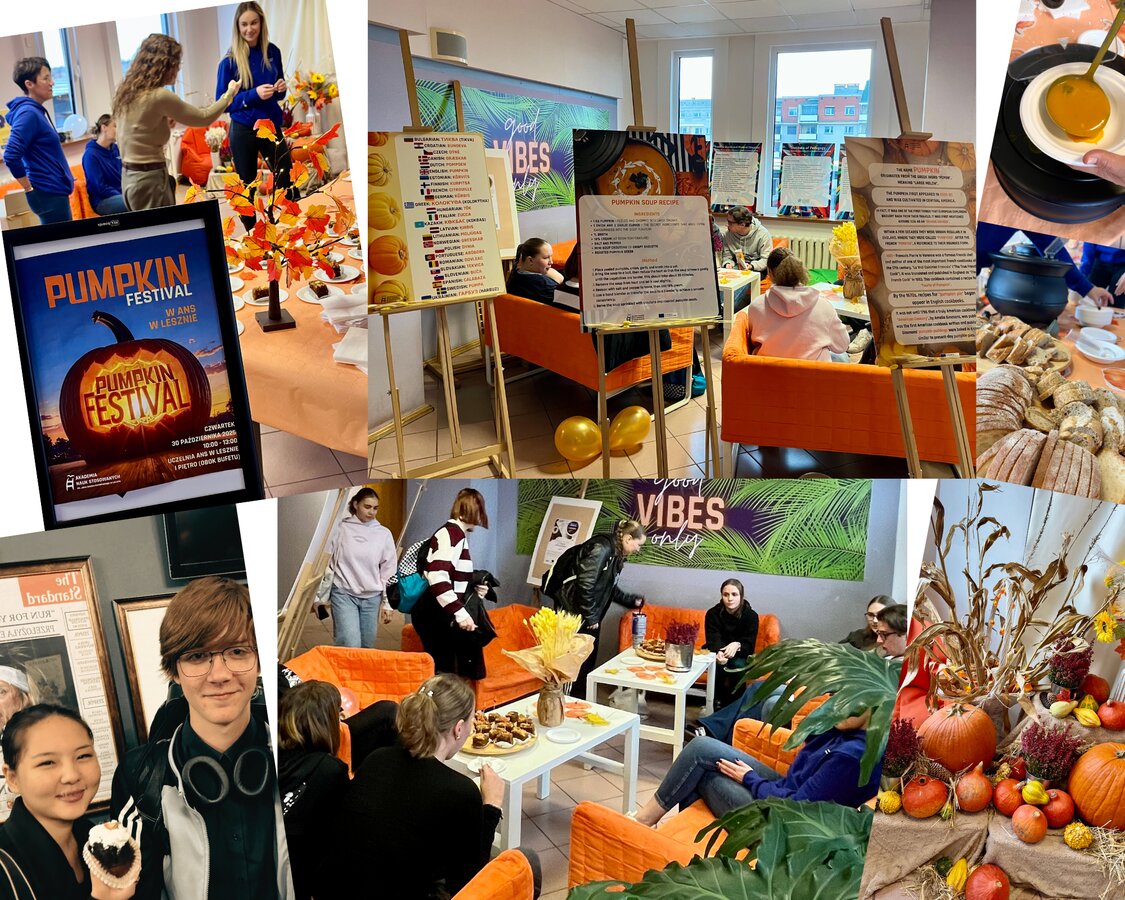
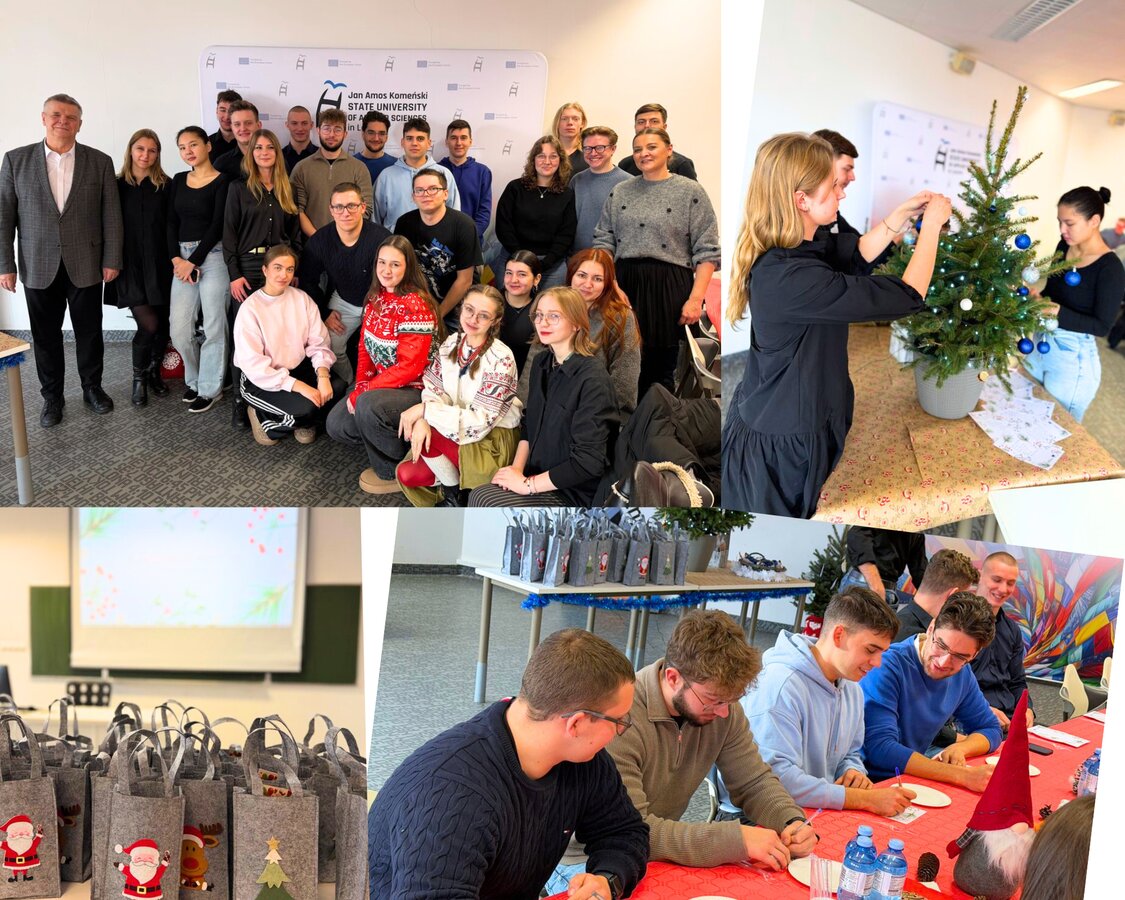
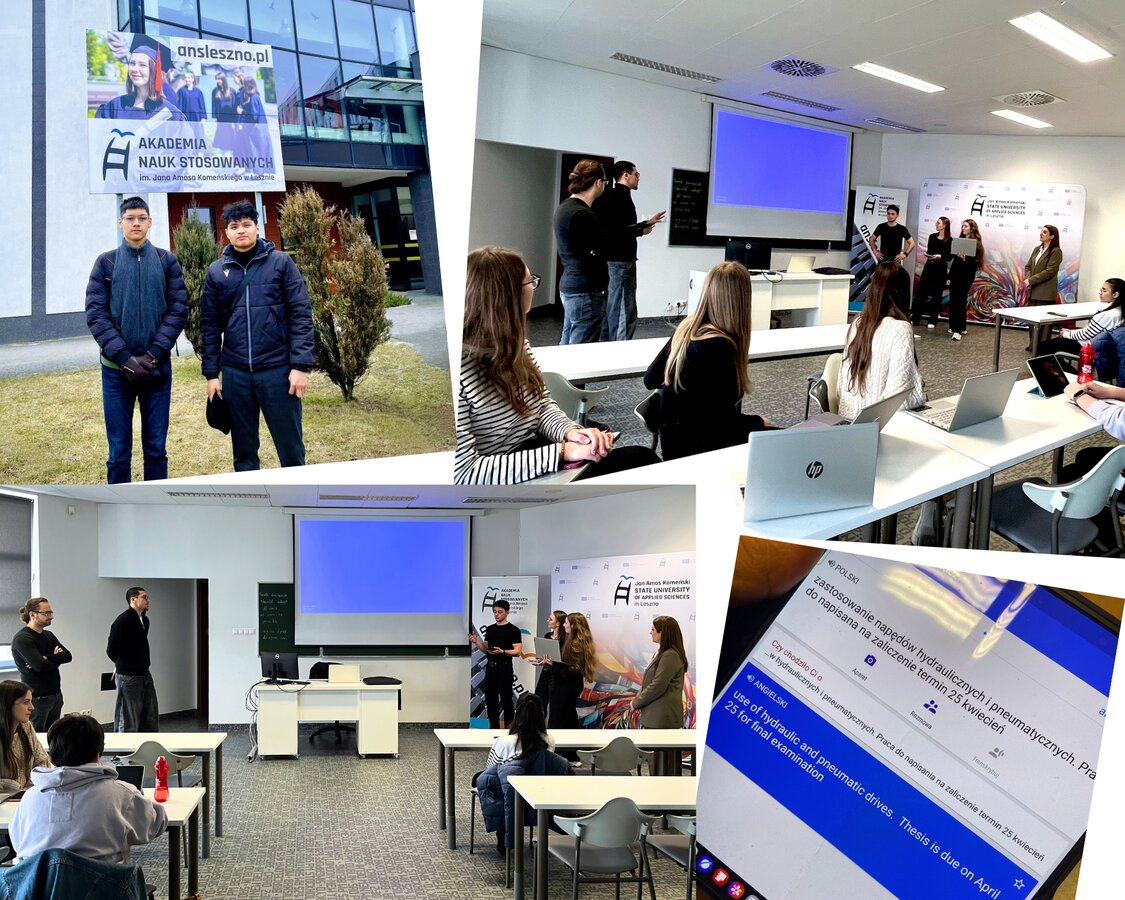
Throughout their stay, the students actively participated in academic classes as well as numerous events organised by the University. These included the Pumpkin Festival, integration activities organised by the Student Government, Erasmus Week, the Career Fair, St. Nicholas Day celebrations, the Erasmus+ Christmas Eve gathering, Open Days, International Days, and the Patron's Day celebrations. Another important component of the mobility programme was an intensive Polish language course, complemented by an introduction to the Polish higher education system and the basic principles of Polish social etiquette.
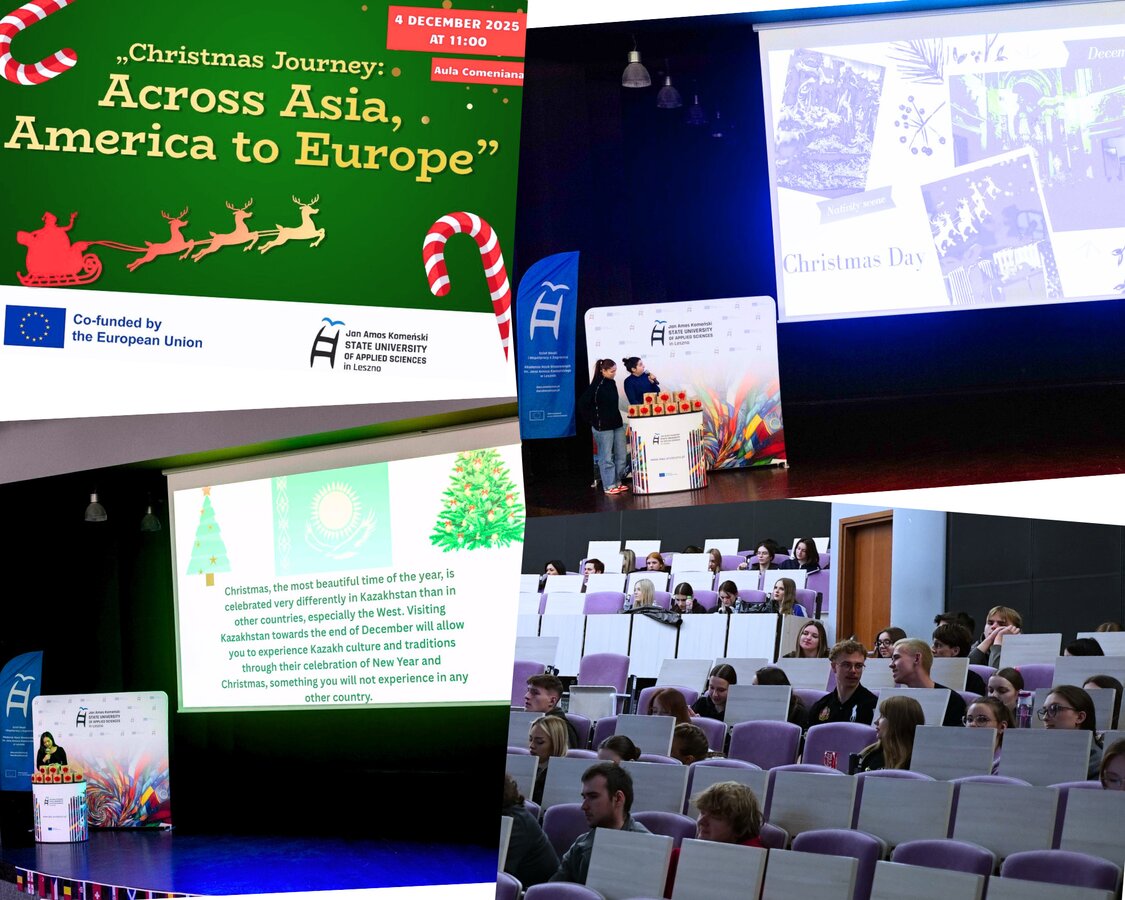
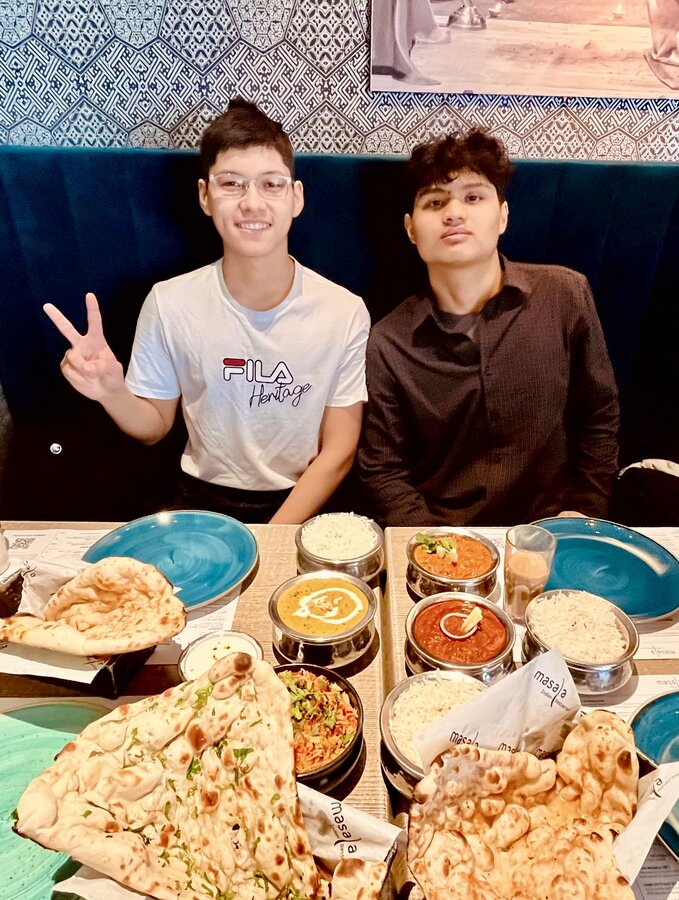
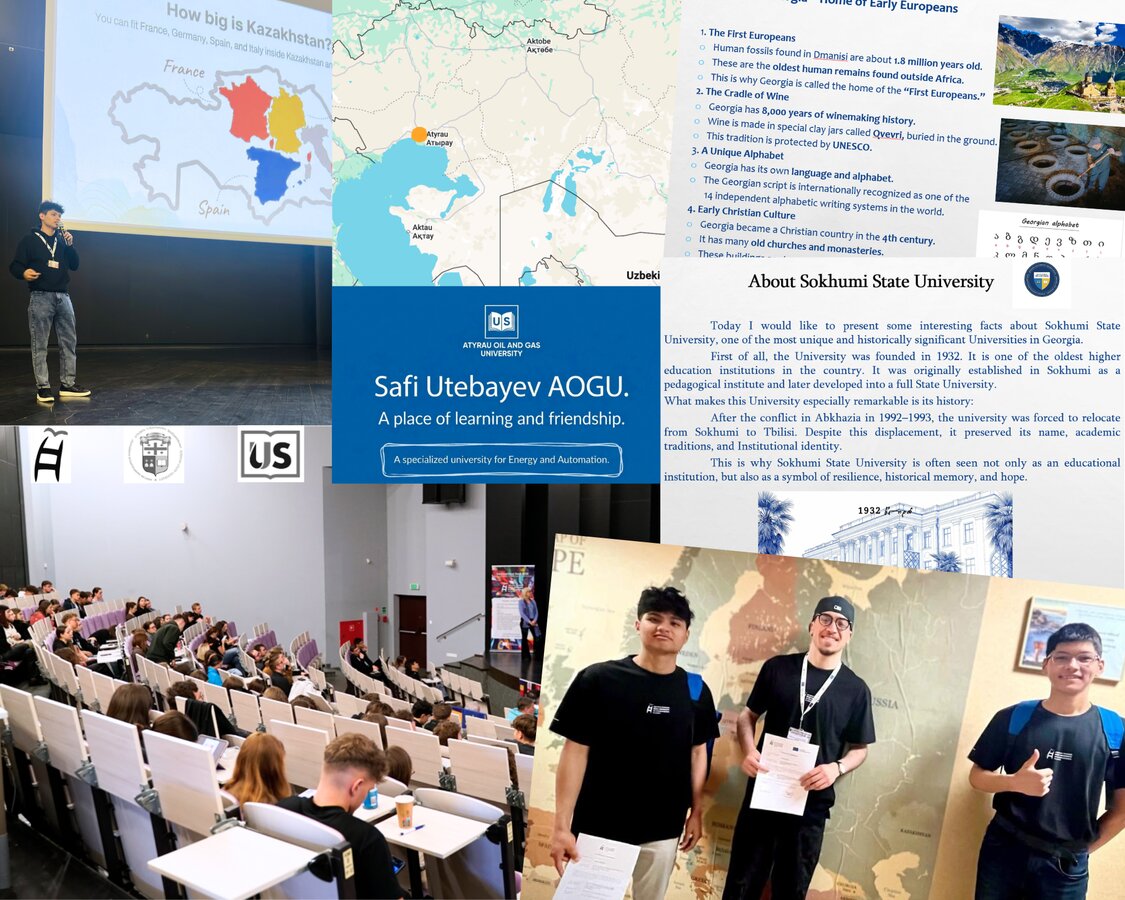
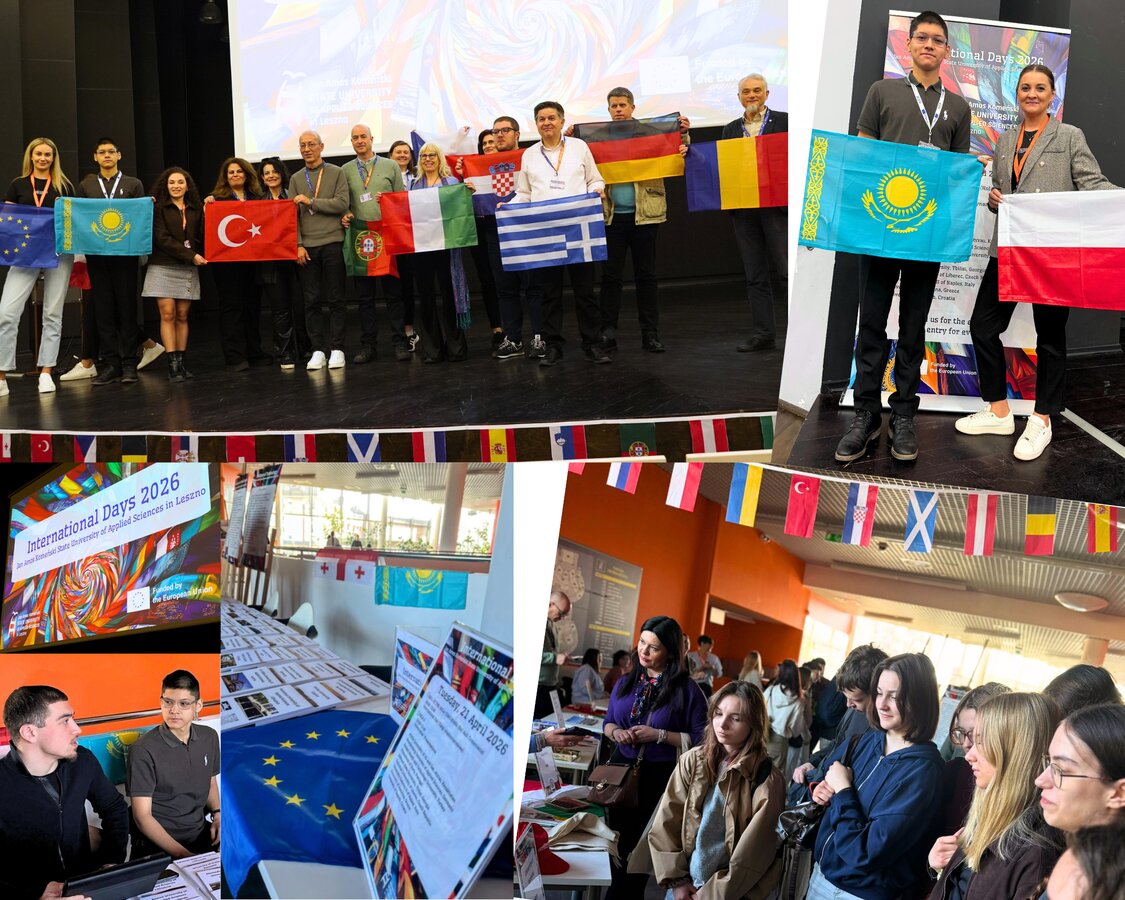
The international students also became actively involved in initiatives supporting the internationalisation of the University. During numerous meetings and presentations, they introduced their home universities, countries, and cultural heritage to the academic community. During the St. Nicholas Day event held in the Comeniana Auditorium, entitled "Christmas Journey: Across Asia, America to Europe," they presented Christmas traditions characteristic of their respective regions. They also actively contributed to the International Days event by supporting the stand of the Department of Science and International Cooperation, promoting the Erasmus+ Programme and the University's international partnerships. An especially important role in fostering integration was played by gatherings organised in the Student Dormitory, where participants prepared traditional dishes from their home countries, shared their experiences, and introduced elements of their cultures to fellow students.
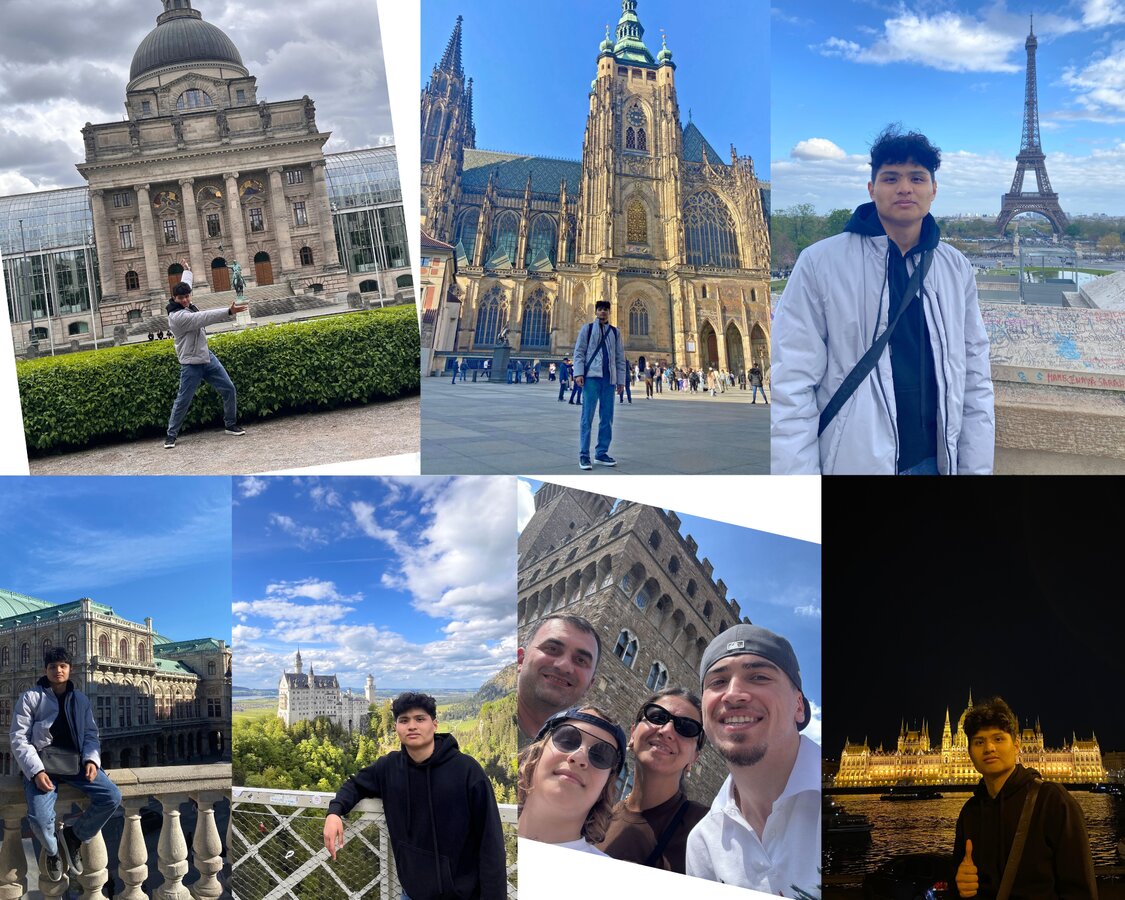
The mobility programme also created valuable opportunities to discover Poland and other European countries. During their stay, the students visited numerous Polish cities, including Poznań, Wrocław, Warsaw, Kraków, Gdańsk, Kalisz, and Zakopane, gaining insight into their history, culture, and everyday life. Taking advantage of the opportunity to travel across Europe, they also independently visited Berlin, Prague, Vienna, Budapest, Munich, Paris, Rome, Florence, and the Bavarian Alps.
In their final evaluations, the participants emphasised the high quality of support provided by the Jan Amos Komeński State University of Applied Sciences in Leszno. They particularly appreciated the commitment of the Erasmus+ coordinators, the University authorities, academic staff, student Buddies, and the Student Government. They highlighted significant development of their linguistic, professional, and intercultural competences. Their stay in Poland contributed to greater independence, improved ability to work in an international environment, increased resilience in facing the challenges of living abroad, and a broader openness towards cultural diversity.
Each mobility experience left a lasting impact not only on the participating students but also on the entire academic community. Shared learning experiences, everyday interactions, and numerous integration initiatives fostered intercultural exchange, mutual understanding, and the development of relationships based on respect, openness, and cooperation.
Once again, the 2025/2026 academic year demonstrated that Erasmus+ is far more than an opportunity to complete part of one's studies abroad. It is a unique platform for acquiring new competences, building international friendships and professional networks, and creating an academic environment in which diversity is recognised as a source of value, inspiration, and continuous development.
Photo gallery: