BIP "Interdisciplinary Patient Care" - summary
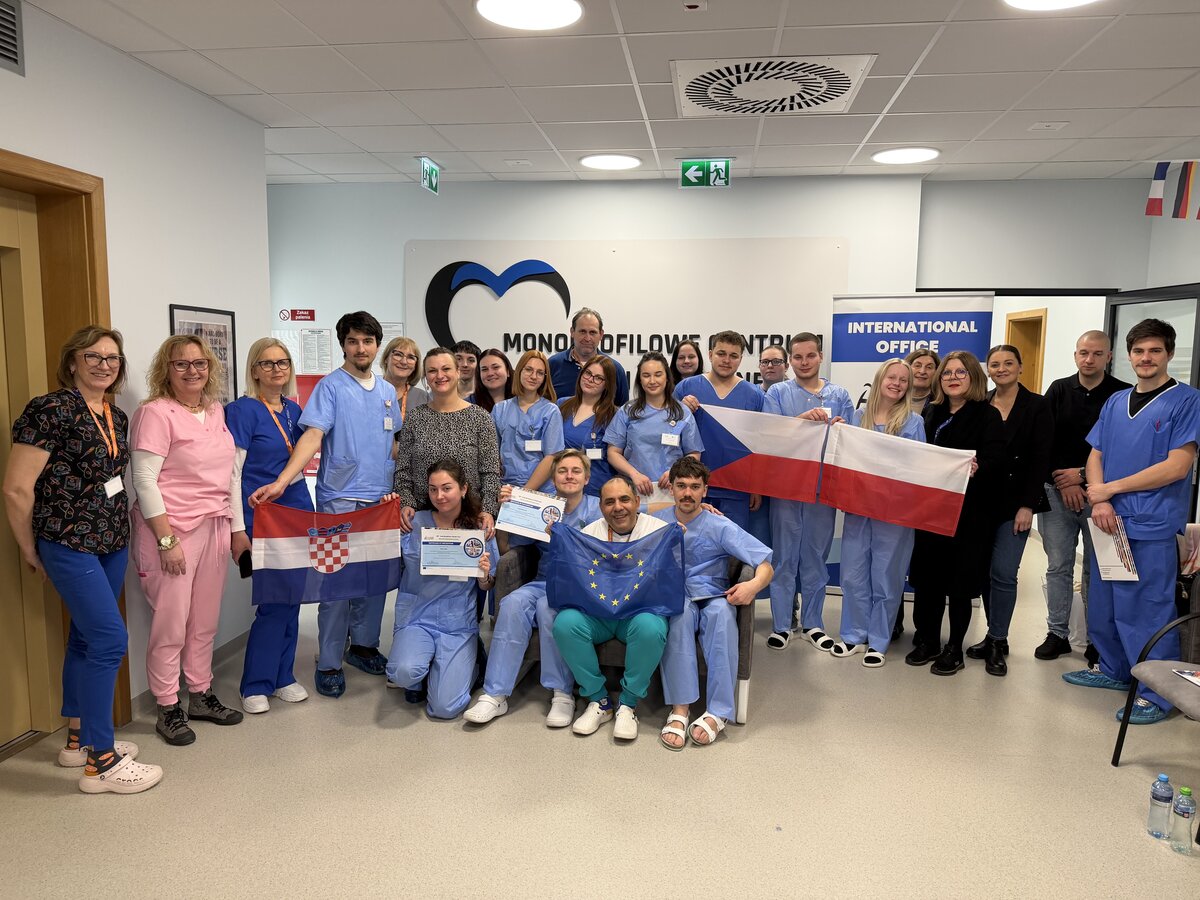
On 16–20 February 2026, our University the Jan Amos Komeński State University of Applied Sciences in Leszno hosted the intensive on-site component of the BIP “Interdisciplinary Patient Care” programme, implemented under the Erasmus+ Programme.
The classes were conducted by academic staff from the Institute of Health and Physical Education, primarily at the Monoprofile Medical Simulation Centre (MCSM), which serves as a modern teaching facility for medical degree programmes. The event was also supported organizationally by the Department of Science and International Cooperation, which ensured comprehensive organisation and logistical coordination.
Prior to the on-site mobility, online meetings were held as part of the virtual component involving all participants and organisers of the programme. Lectures delivered by Dr Maciej Górecki entitled “Medical Simulation in Practical Student Training” focused on the role of medical simulation in practical student education. The sessions covered, among other topics, types of medical simulation, the four-step method in teaching practical procedures, and selected issues related to first aid.
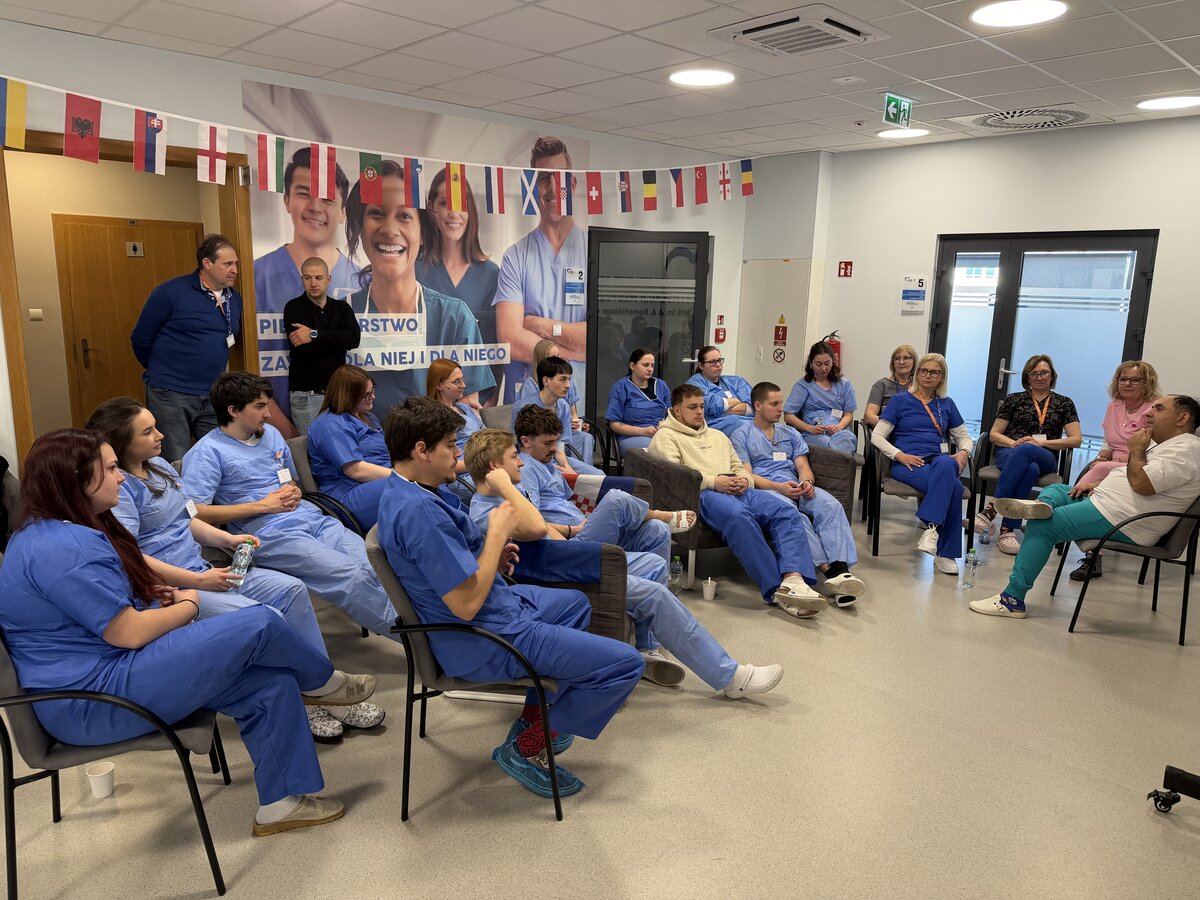
The programme participants included nine students and five lecturers from University of Rijeka, as well as seven students from Technical University of Liberec. The students represent fields such as nursing, physiotherapy, and emergency medical services, which enabled the exchange of experiences and work in interdisciplinary groups. Nursing students from our University were also invited to participate and supported the incoming students during daily classes and activities.
The week began with an official welcome meeting, during which students and academic staff were greeted and the importance of interdisciplinary cooperation in patient care was emphasized. Subsequently, Ms Małgorzata Cichy, Head of the MCSM, introduced participants to the rules of work at the Monoprofile Medical Simulation Centre. Guests also had the opportunity to tour the ANS campus in Leszno, including specialist laboratories and the Simulation Centre, which provided a modern and inspiring environment for practical learning. The first day’s programme also included a short walk around Leszno, allowing international students and lecturers to become familiar with the city and its atmosphere.
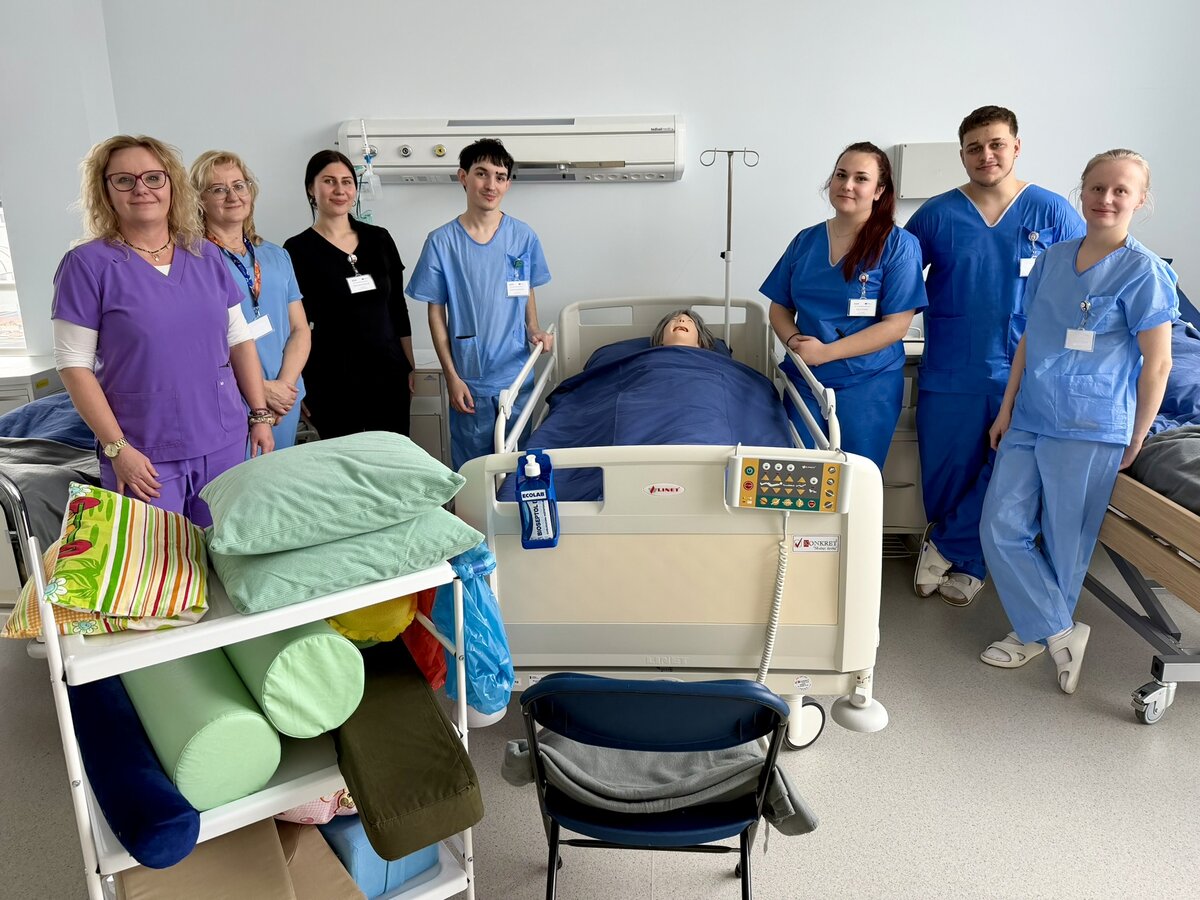
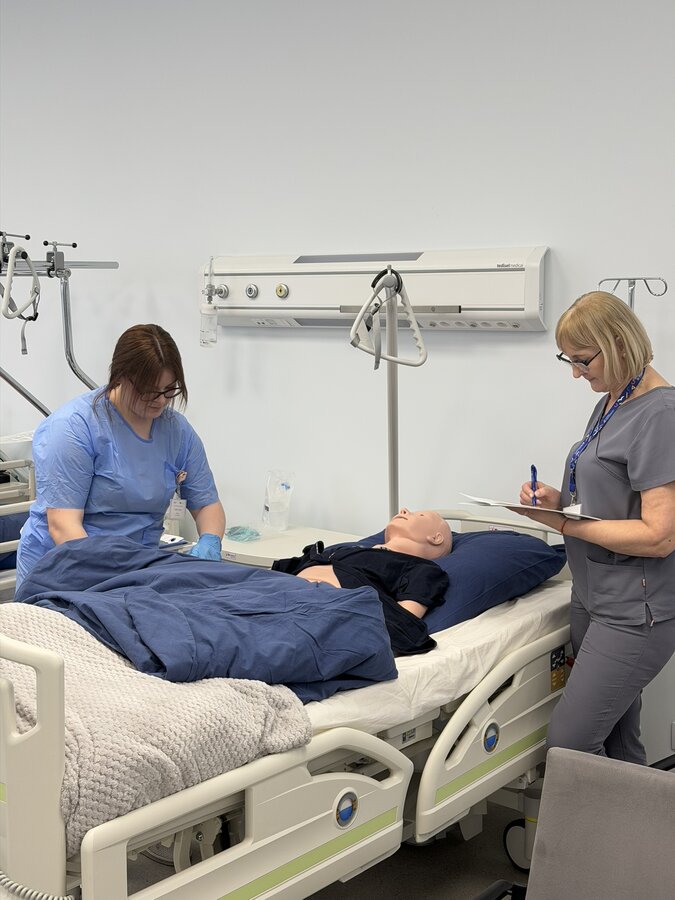
The following days were filled with intensive practical classes conducted in four rotating groups. Participants improved nursing procedures using the four-step method, placing particular emphasis on patient safety and the correctness of performed activities during classes led by Ms Paulina Kasztelan, “Learning nursing care procedures using the four-step method,” which also included a newborn bathing simulation. Sessions on methods of preventing and alleviating patient discomfort, “Methods and ways of preventing and combating patient discomfort used by nurses,” were conducted by Ms Dorota Zalisz and Dr Luiza Mendyka. During these classes, participants carried out simulations of positioning a patient on the healthy and affected side, refining correct positioning techniques.
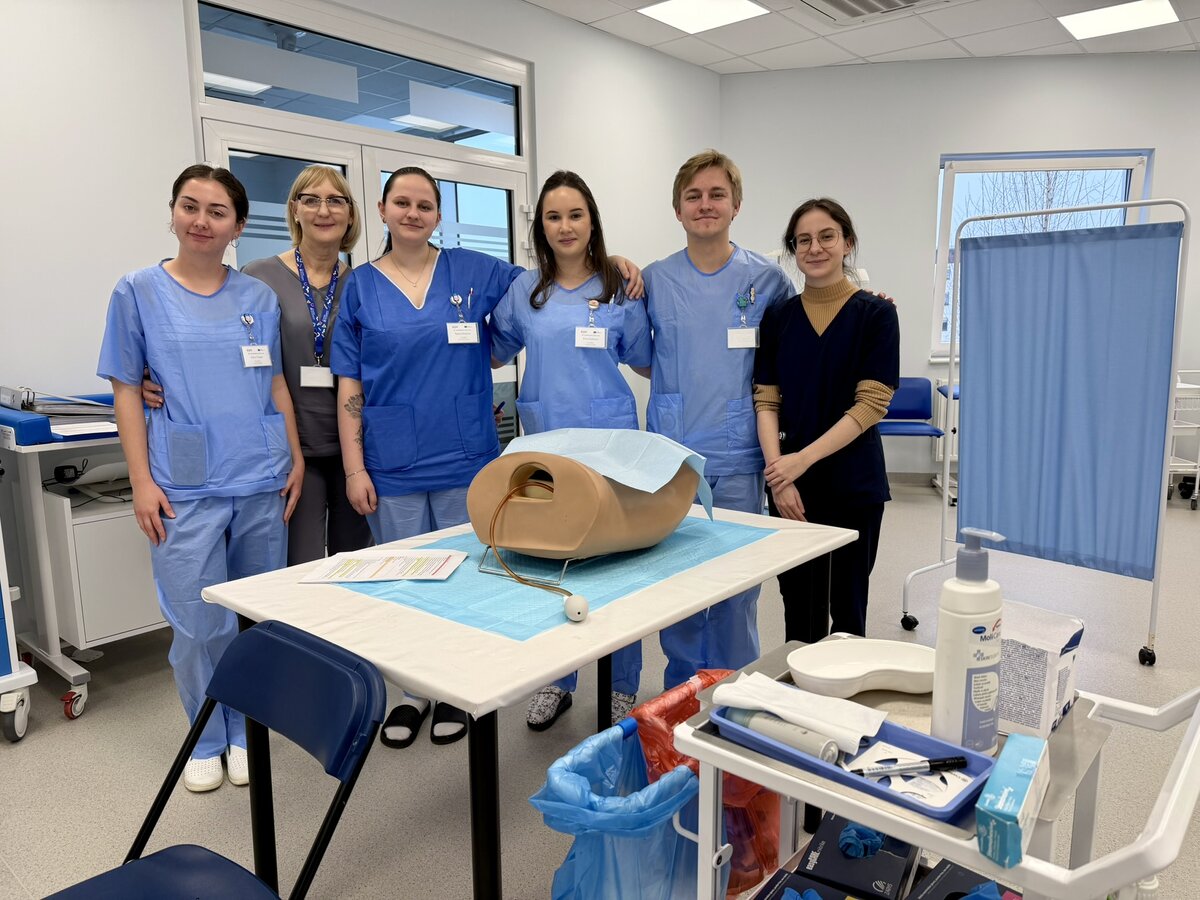
An important part of the programme included workshops devoted to the care of patients with a stoma. The classes “Nursing care of a patient with different types of stoma,” led by Ms Mirosława Więcek, had a practical character and focused on proper stoma care, selection and replacement of ostomy equipment, and prevention of complications. Participants developed their skills in simulated conditions while also learning appropriate communication with patients and providing educational and emotional support.
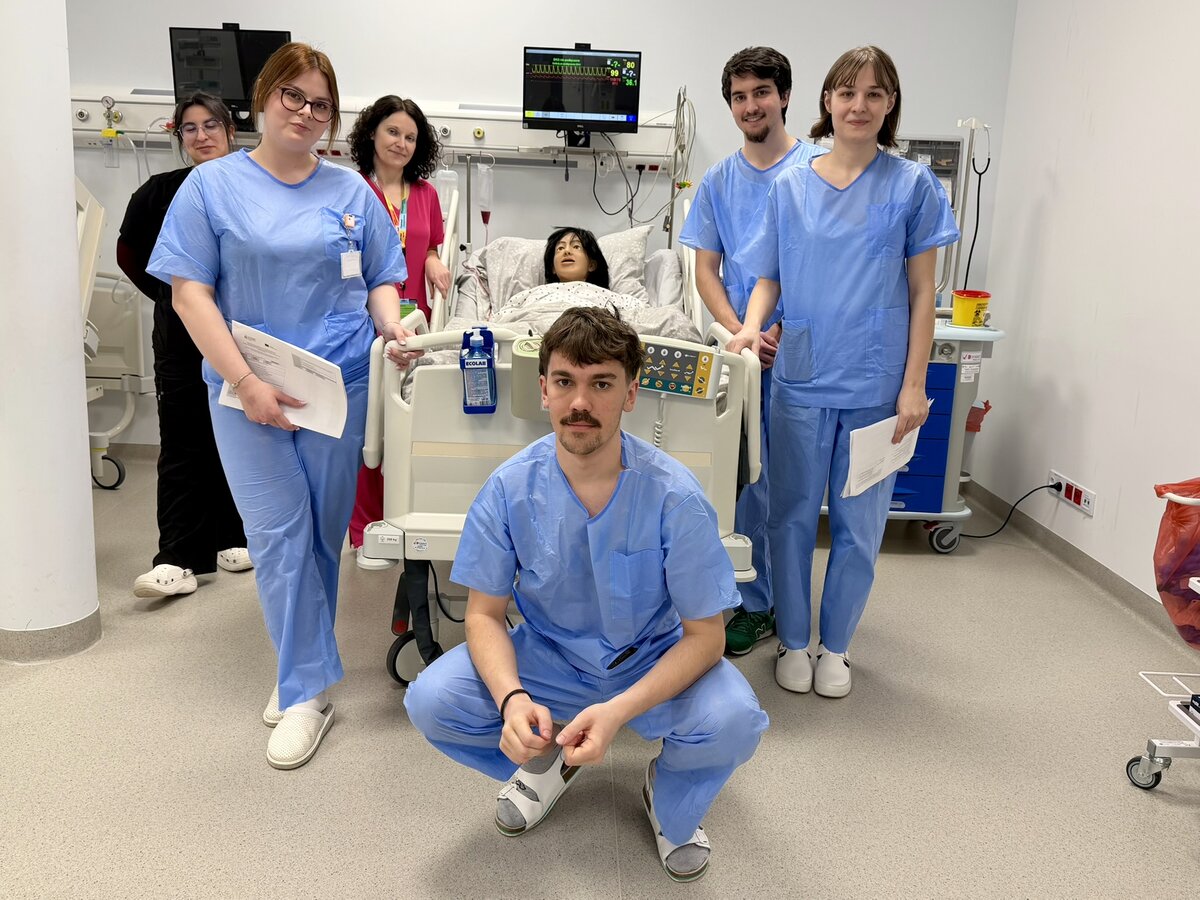
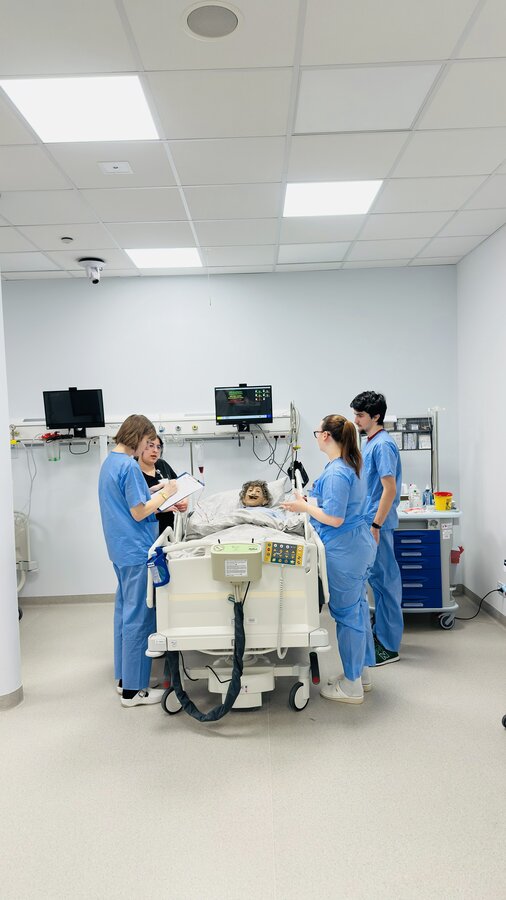
Considerable interest was generated by the classes led by Ms Anna Wojciechowska-Urbanek, “Methods of information gathering by the nurse based on a high-fidelity simulation scenario,” based on high-fidelity simulation scenarios. Students learned how to collect information about a patient’s condition, make clinical decisions, and communicate effectively within a team. Each class concluded with a debriefing and analysis of the actions taken, enabling reflection and consolidation of knowledge.
On Wednesday, participants took part in a full-day trip to Poznań. At the Rogalowe Muzeum Poznania, cultural and integration workshops were held, during which students learned about the history of the St. Martin’s croissant and regional traditions, and then jointly prepared the traditional pastry. It was a time not only for discovering the heritage of the Wielkopolska region but also for strengthening cooperation and integration.
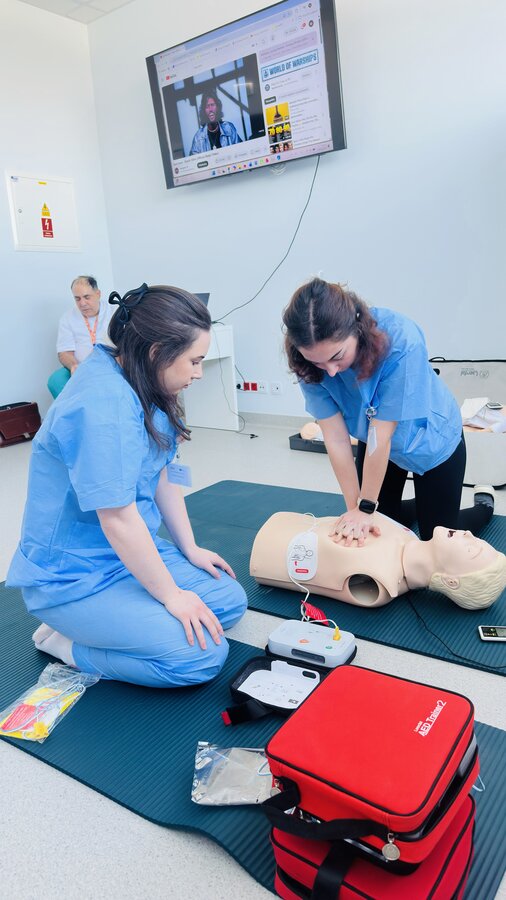
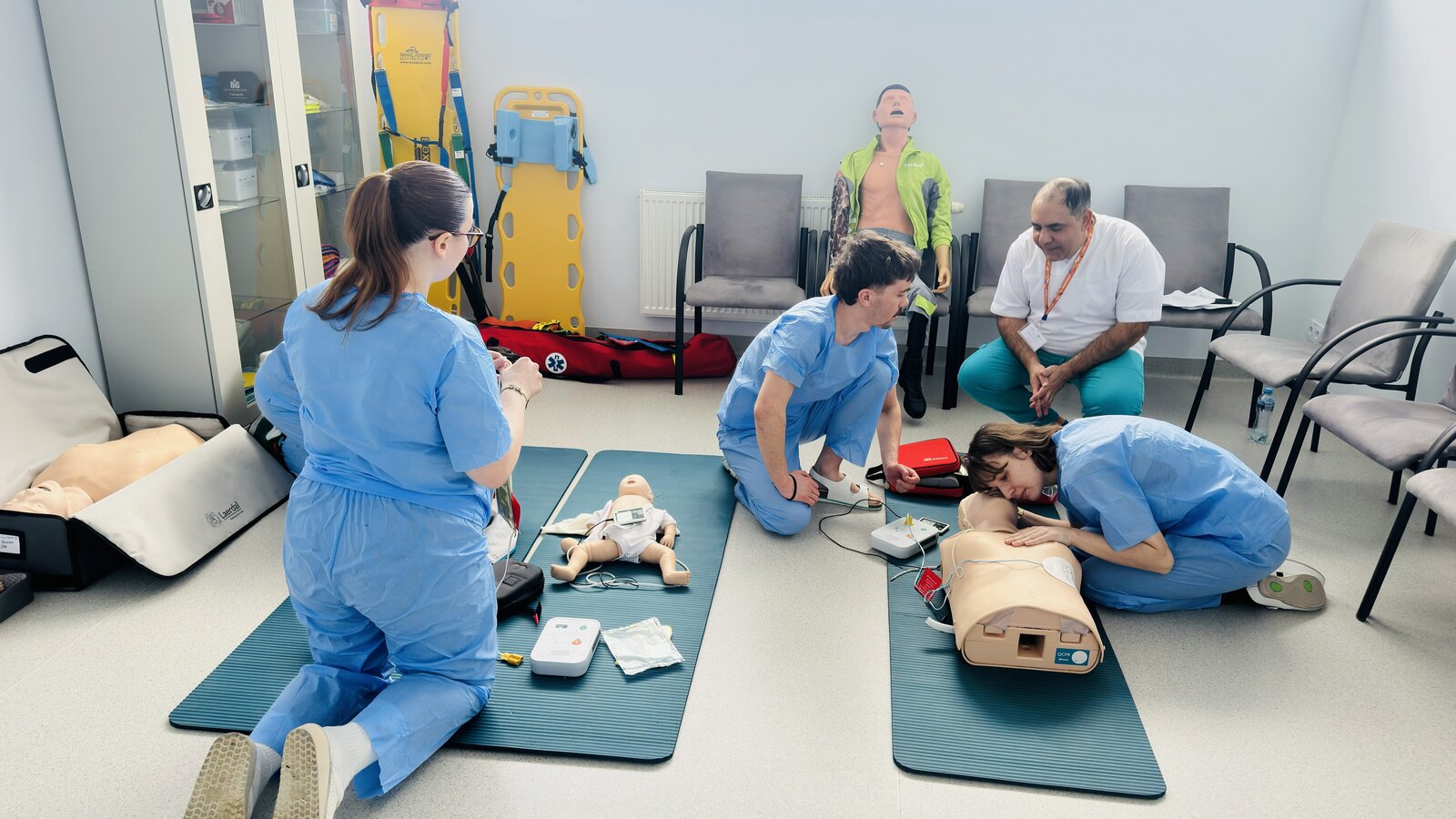
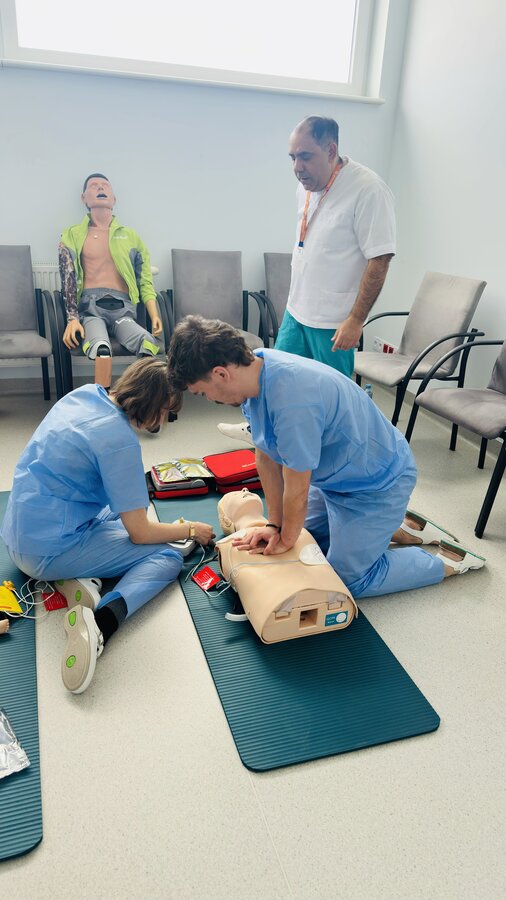
Thursday was again intensive, with further simulations at the MCSM. During the class “A patient with pain and shortness of breath caused by cancer. The role of a nurse in an interdisciplinary team,” led by Ms Barbara Kałmuczak-Mania, a scenario concerning a patient suffering from pain and dyspnoea in the course of cancer was implemented, with particular emphasis on the nurse’s role in coordinating care and supporting the patient. First aid classes were also conducted in low-fidelity rooms, “First aid and practical classes in low-fidelity rooms,” led by Dr Maciej Górecki. These sessions provided an opportunity to refine basic emergency response skills and reinforce treatment algorithms.
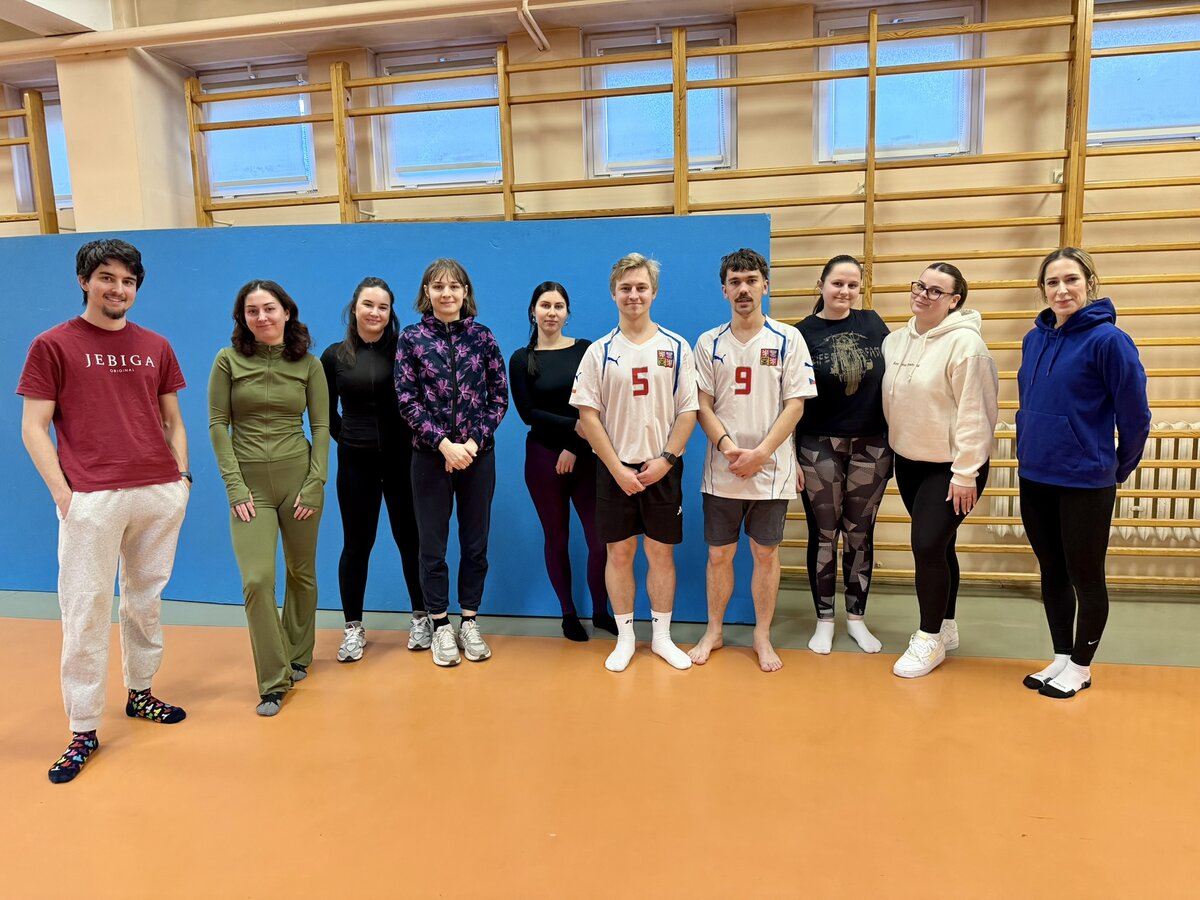
Movement workshops led by Dr Zuzanna Maćkowiak, “Relaxation and functional movement classes incorporating elements of yoga, pilates, stretching, breathing exercises, and calming techniques,” included relaxation elements, functional exercises, and breathing techniques, highlighting the importance of maintaining the physical well-being of medical personnel. The day’s programme emphasized a holistic approach to patient care as well as concern for the well-being of healthcare professionals.
On the final day, students worked on a concluding simulation carried out in interdisciplinary teams. The participants’ task was to provide comprehensive patient care according to a prepared simulation scenario, taking into account appropriate role distribution, effective communication, and sound decision-making. The programme concluded with a joint summary of the week’s outcomes and an exchange of reflections and experiences.
The implementation of the BIP “Interdisciplinary Patient Care” was, for our University the Jan Amos Komeński State University of Applied Sciences in Leszno, not only an opportunity to present its modern teaching infrastructure, but above all a space for international exchange of experiences, good practices, and the building of lasting academic relationships. All students successfully completed the programme and received certificates confirming the award of 3 ECTS credits. The intensive week confirmed how essential practice, simulation, and cross-border cooperation are in the education of future medical professionals.
Watch:
https://www.youtube.com/watch?v=Vl7EB543EpY
https://youtube.com/watch?v=NpZnSLS6W2k&is=k5YxG_jDPHQkLtpO